Research
002
2022
Waste Futures I
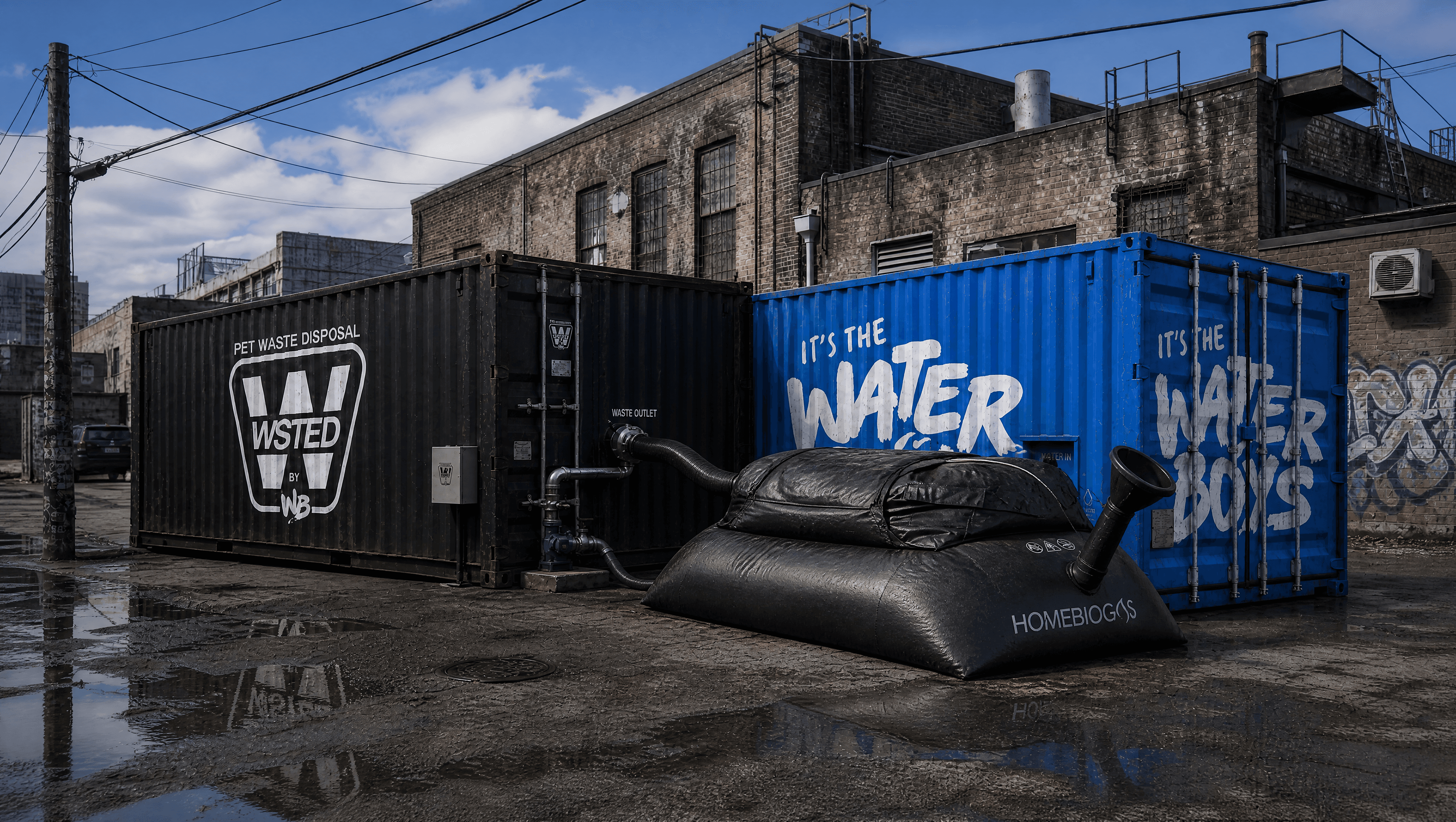
Waste Futures is WaterBoys' three-part design research into waste as a material — how cities generate it, why the existing infrastructure cannot process it, and what a community-scale alternative could look like. Part I opens the series with the diagnosis: waste behavior is a design problem, and the disposable face mask is the object through which that argument crystallizes. The mask is the most visible waste stream of the pandemic era — recyclable in principle, unrecyclable in practice — and the case study that grounds the rest of the work.
Track
SERVICE + PRODUCT
Status
Published
Output
WSTED
YEAR
2022
Waste - Behavior
The Thesis
The mask waste problem looks like a values problem. It is not. People litter more when litter is already present, less when disposal is well-placed and easy to use, and dispose of waste incorrectly when the correct option is harder than the convenient one. Behavior follows infrastructure. The lesson the pandemic made visible is older than the pandemic: waste outcomes are shaped by design, not by attitude.
Part I tracks that argument through two registers. The first is behavioral — why people produce waste the way they do, and what design has the leverage to change. The second is historical — how a single disposable object became the default in the first place, through decades of supply-chain logic and procurement marketing rather than clinical or environmental reasoning. The disposable mask is not a neutral artifact. Its convenience of use was engineered in. Its convenience of disposal was never considered. That is the design failure Waste Futures begins with.
THE PSYCHOLOGY OF WASTE
(Why people create waste, and what design can do about it)
Waste behavior is not a values problem. It is a design problem.
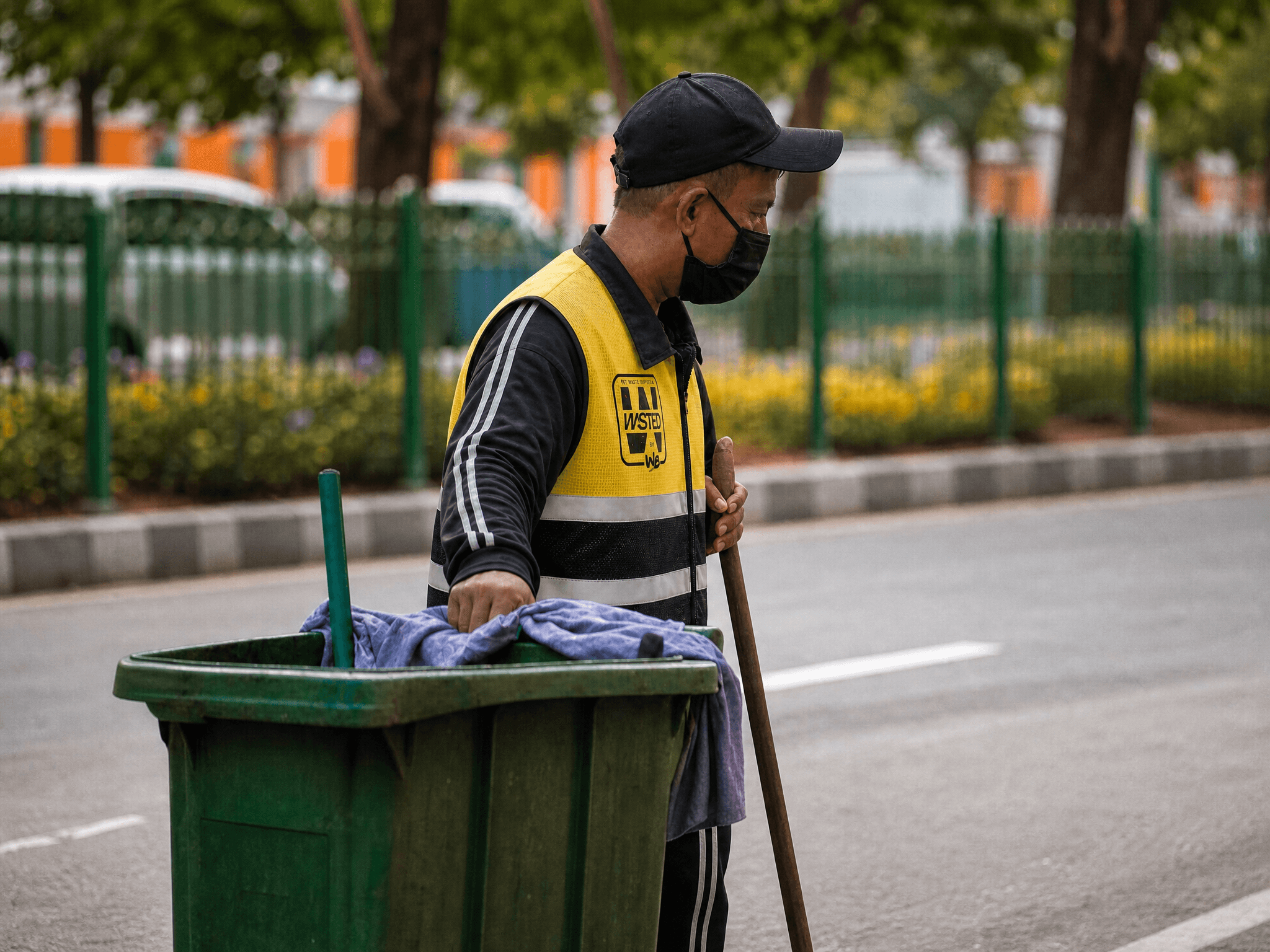
Littering and negative waste behaviors are driven primarily by convenience and environmental cues — not indifference. People litter when they feel low ownership of their surroundings. They litter more when litter is already present. They dispose of waste incorrectly not because they don't care, but because the correct option is harder, less visible, or less immediate than the convenient one.
Design shapes waste outcomes more reliably than awareness campaigns. When disposal infrastructure is well-placed, clean, and easy to use, behavior improves — not because people became more environmentally conscious, but because the frictionless option aligned with the sustainable one. When infrastructure is absent or confusing, behavior deteriorates for the same reason.
This is the foundation of the Waste Futures research: if waste behavior is a design problem, it has design solutions. The work is not to change what people value. It is to change what they find easy.
A HISTORY OF DISPOSABILITY
(How we got here)
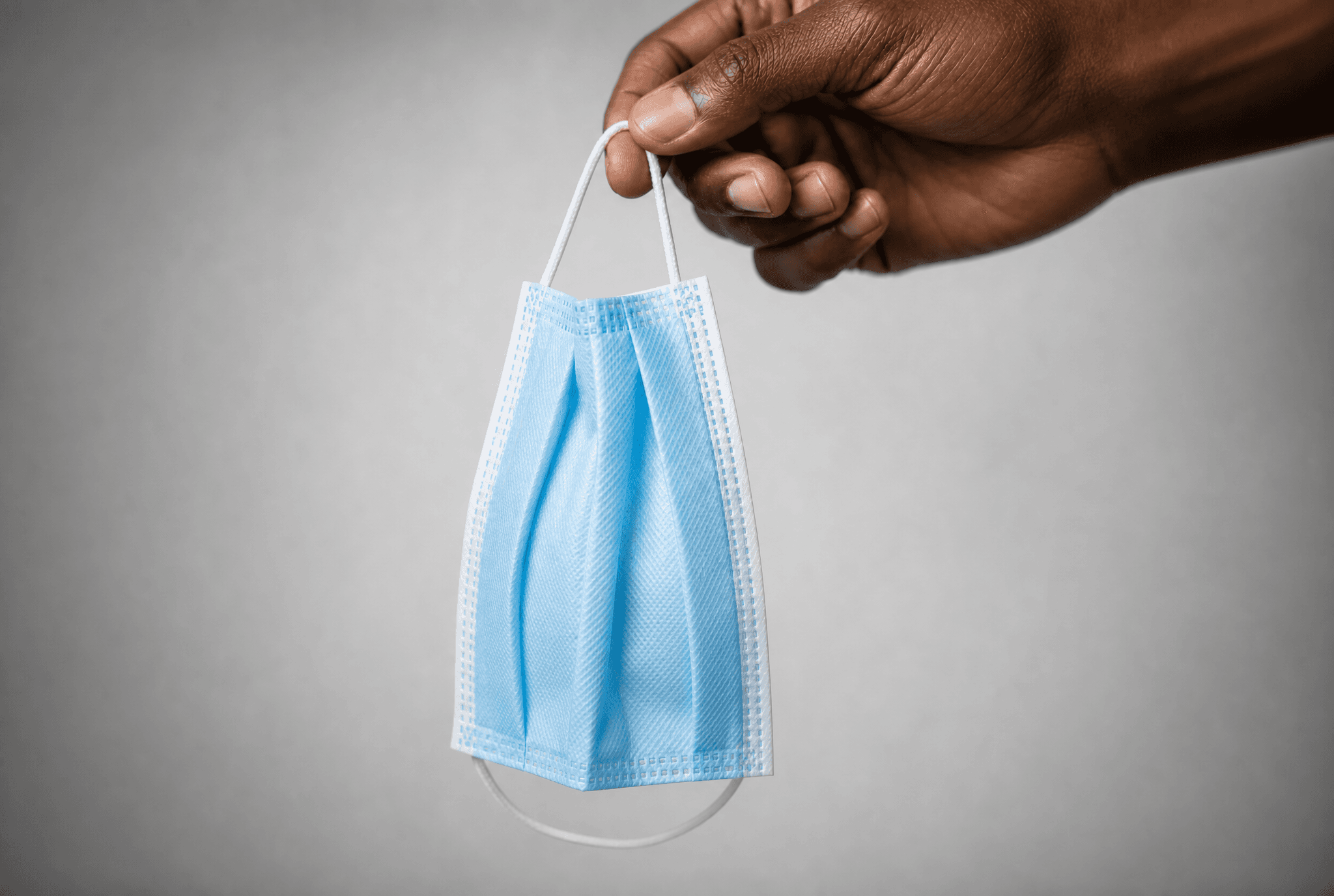
The disposable face mask did not emerge from a medical imperative. It emerged from marketing.
Cotton face masks were a standard tool of early medicine — designed for reuse, washable, functional. The shift toward single-use disposables in hospitals was driven not primarily by clinical evidence but by supply management logic and aggressive manufacturer campaigns targeting healthcare procurement. Disposables reduced laundry overhead. They simplified inventory. They were positioned as modern and efficient. The reusable alternative was systematically under-invested in and under-researched — until it no longer appeared competitive.
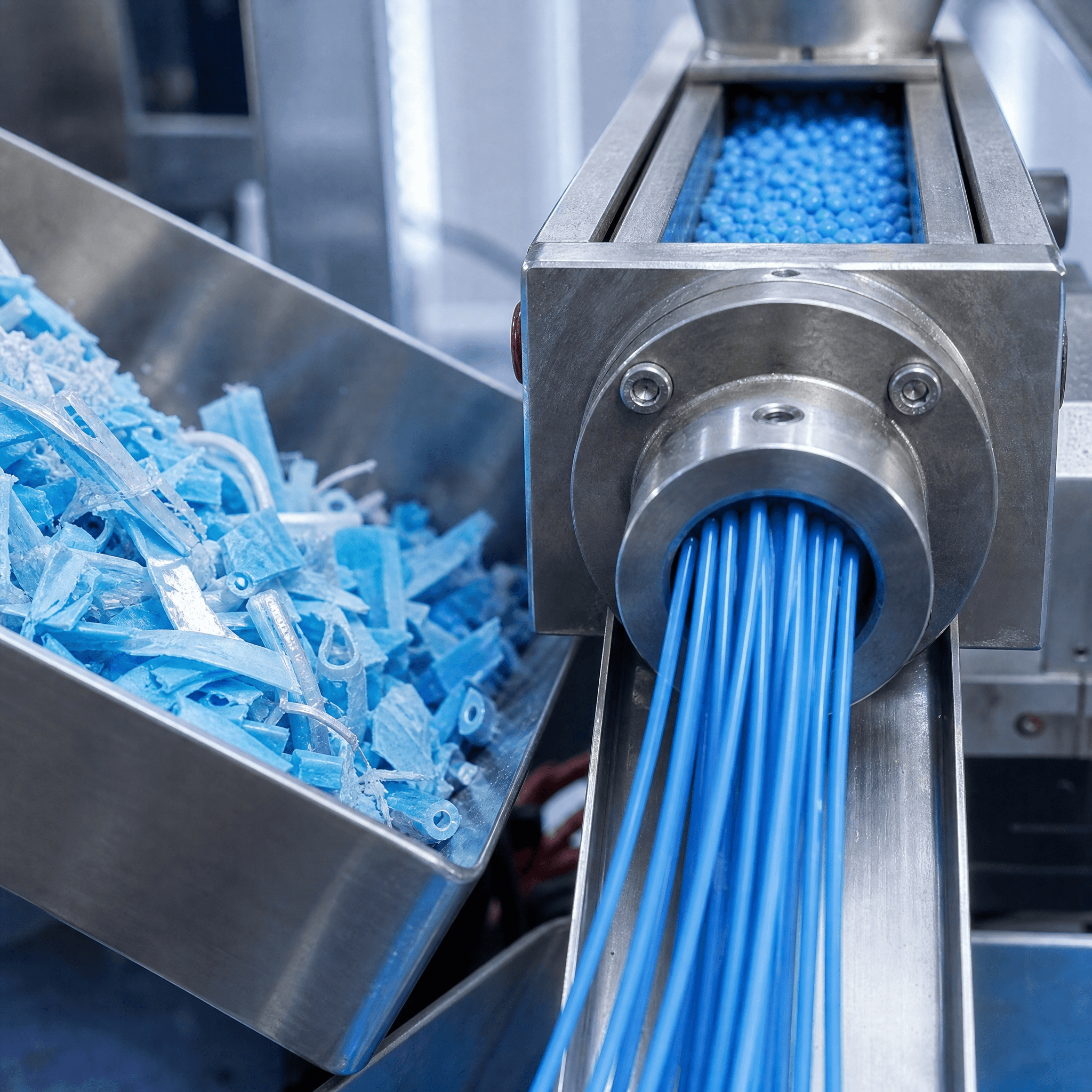
By the time COVID-19 arrived, the disposable mask was the default and the system had no infrastructure for what happened at the end. An estimated 3.4 billion masks were discarded globally every day at the pandemic's peak. Each mask is primarily polypropylene — recyclable, with an established secondary market. But each mask is also a composite of polypropylene, viscose, elastic, and metal, and that mixed-material composition meant municipal recycling systems could not process it. The masks clogged machinery. They had no clean material stream. They went to landfill.
The lesson: the system that produced disposables never designed for their end. Convenience of use was engineered in. Convenience of disposal was not considered.
THE DESIGN PROBLEM
Part I establishes a single, load-bearing claim: that the mask waste problem is a design problem twice over — at the moment of disposal, where infrastructure either invites correct behavior or does not, and at the moment of creation, where the disposable was specified, marketed, and procured into ubiquity without anyone designing for the end of its life. Both ends of the object failed for the same reason. Convenience was the variable in the equation. Convenience was the variable that was never balanced.
That diagnosis raises the next question. If the system that produced the mask never designed for its end, the system that now has to absorb it is the one that was inherited by default — global secondary markets, municipal facilities built for a simpler material era, export streams that are quietly closing. Part II takes up that question directly: what happens when the existing waste infrastructure cannot process the materials that now circulate, and what does a community-scale response actually look like?