Research
003
2022
Waste Futures II
Waste Futures is WaterBoys' three-part design research into waste as a material. Part II picks up where Part I's diagnosis left off: the existing municipal recycling system was built for a simpler material era and can no longer process the mixed-material waste streams that now define urban consumption. Part II asks what comes next — and proposes that the response is not a better industrial system, but a different scale of system entirely.
Track
SERVICE + PRODUCT
Status
Published
Output
WaterBoys Service
YEAR
2022
Waste - Behavior
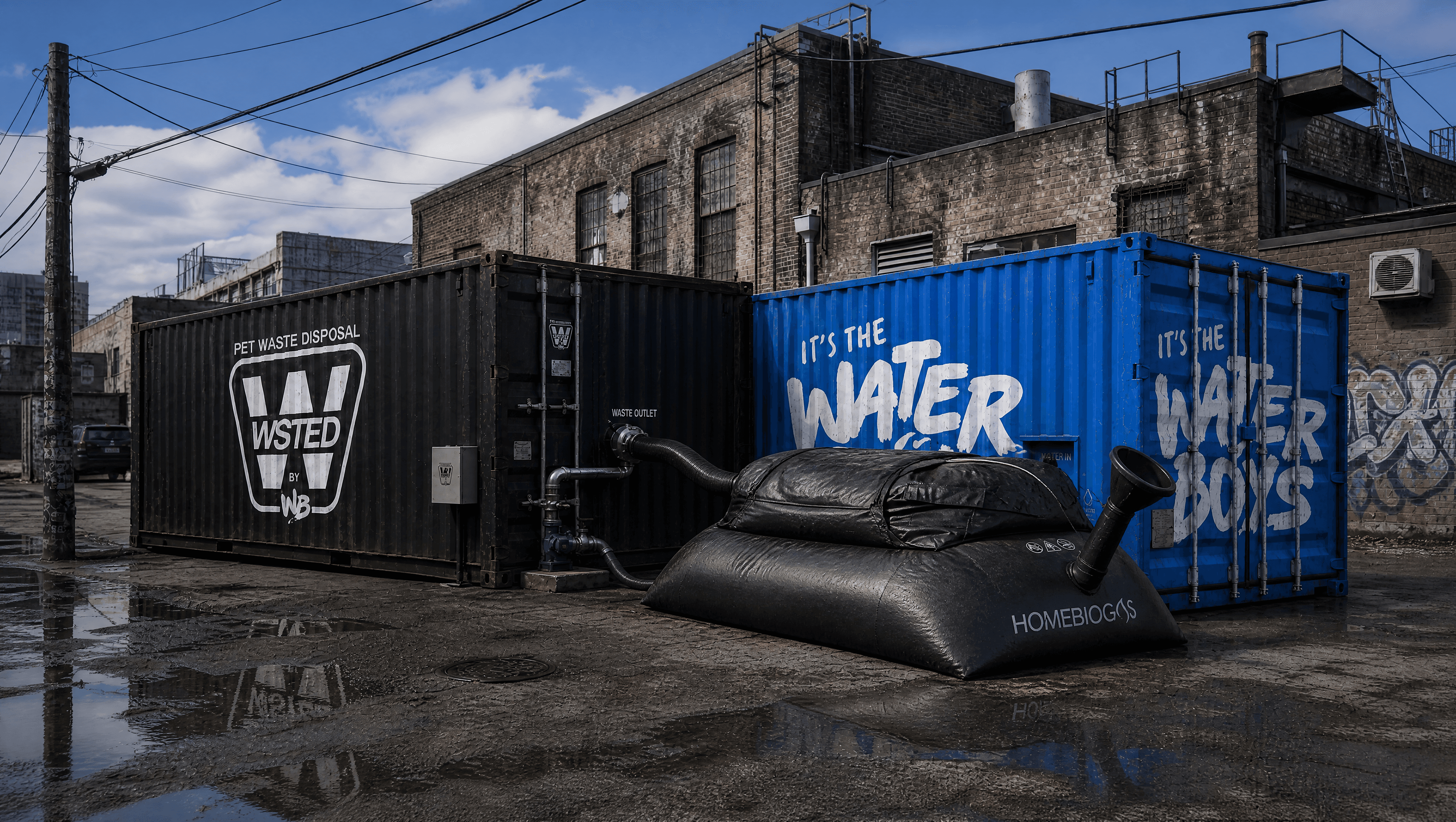
The Thesis
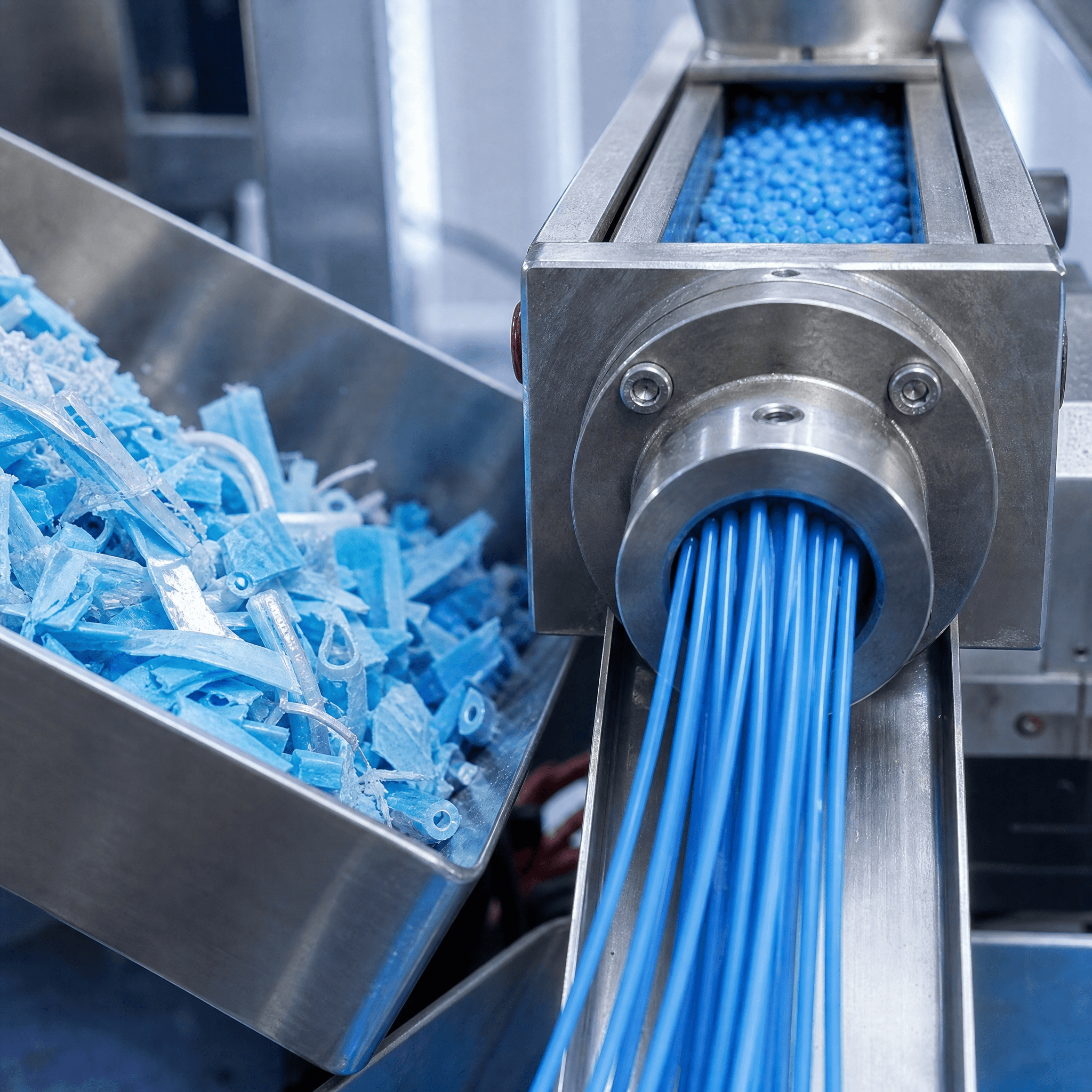
The mask waste problem looks like a recycling problem. It is not. The polypropylene in disposable face masks is recyclable; the system that should be recycling it is no longer equipped to. Global secondary markets have contracted. Mixed-material waste damages the machinery that processes mono-material streams. Dense urban environments — New York City is the case study Waste Futures works from — are running out of places to send the waste they cannot process at home.
The response, Part II argues, is localization. When the loop is shorter — community generates waste, community processes waste, community consumes the output — the economics change in favor of the smaller scale. Lower transport costs, knowable material inputs, and a local market for outputs make community-scale processing viable where industrial-scale processing is not. This is not a compromise position. It is the proposition that, for mixed-material waste streams generated at the neighborhood scale, the localized model outperforms the industrial one on the metrics that actually matter.
THE INFRASTRUCTURE FAILURE
(Why the existing system cannot solve this)
Municipal waste systems in dense urban environments like New York City are not equipped for this. They were designed for a different era of consumption — simpler material streams, smaller volumes, and a global network of secondary markets willing to absorb low-value recyclables.
That network has contracted. Mixed-material waste like face masks overwhelms recycling facilities: the masks clog and damage machinery, the complex composition makes processing significantly more costly than mono-material products, and the market for the output simply does not exist. A recycling symbol does not mean processable. Most people do not know this. Most municipal systems do not have an alternative to offer.
The NYC-specific picture is stark. Many public housing units lack conveniently placed waste and recycling bins. The standard waste management approach — consolidating waste before sorting to optimize collection yield — routinely mixes recyclables with regular municipal waste, contaminating the stream before it can be processed. Despite recycling efforts by businesses, markets are increasingly unwilling to absorb complex recycled materials. Demand for newer mixed-material recycled streams lags well behind demand for clean HDPE and PE.
There will come a time when New York City cannot export its waste — when Pennsylvania, Virginia, and other states stop accepting it at any price. That moment is approaching. When it arrives, communities will have to manage waste within their own borders. The Waste Futures research asked: what does that infrastructure look like when it is designed intentionally, rather than inherited by default?
LOCALIZING THE CHALLENGE
(The localization argument)
The response to the industrial recycling system's failure is not a better industrial recycling system. It is a different scale of system entirely.
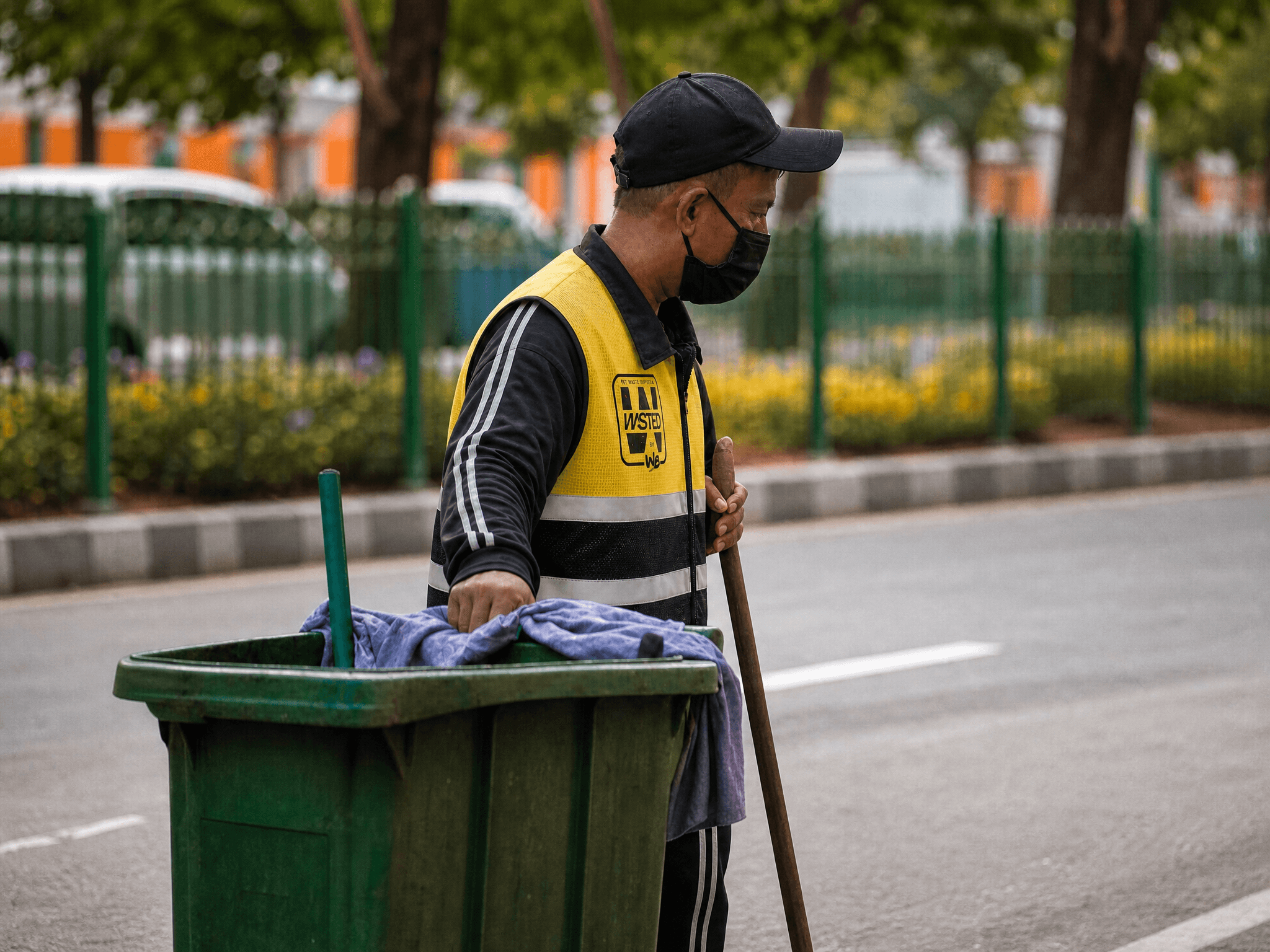
When the loop is shorter — community generates waste, community processes waste, community consumes the output — the economics change. Lower transport costs, knowable material inputs, and a local market for outputs make community-scale processing viable where industrial-scale processing is not. The collection, sorting, and management of face masks at the community level can develop more efficient and sustainable recycling solutions than any centralized approach, and can stimulate local recycling markets in the process.
This is not a compromise. For mixed-material, community-generated waste streams like face masks, the localized model outperforms the industrial one on the metrics that matter: cost per unit processed, material traceability, community economic return, and adaptability to the specific waste profile of a specific place.
Urban communities have unique parameters that any localized waste system must be designed for: limited space, diverse populations with varying cultural relationships to waste, waste streams that combine residential, commercial, and public sources. These are design constraints. They are also design opportunities.
LOCAL FUTURES
Part II ends where the studio's operational thinking begins. The infrastructure failure is real and is approaching New York from the outside in — exports closing, machinery failing on materials it was never specified for, secondary markets refusing the streams that were once their bread and butter. The localization argument is the studio's response. It treats the constraint of community scale not as a fallback but as the design surface where mixed-material waste can actually be made tractable: known inputs, short distances, a market that lives where the waste is generated.
But localization, on its own, does not make a discarded object valuable. The mask still resists clean material recovery, and that resistance is not only technical — it is economic. Recycling rates rise when someone designs the chain that gives a discarded material a buyer; they do not rise on awareness alone. Part III takes the materiality problem head on, names the conditions under which a value chain can be designed for mixed materials, and points to the design output that closes the loop the rest of the system did not: waste-to-value.