Research
004
2023
Waste Futures III
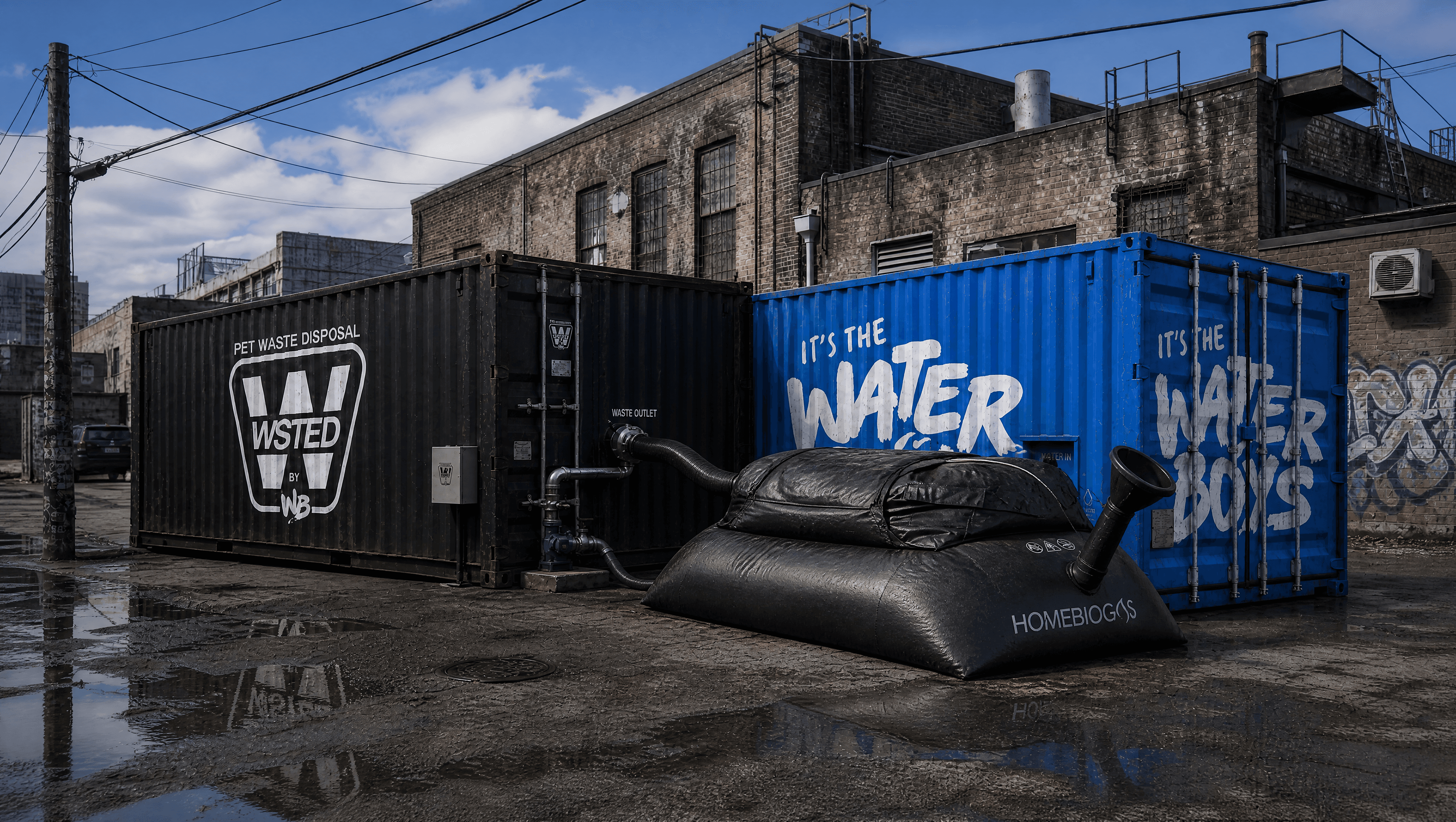
Waste Futures is WaterBoys' three-part design research into waste as a material. Part III closes the series with the synthesis — the technical and economic anatomy of why mixed-material waste fails recycling, and the design proposition that turns that failure into a value chain. The disposable face mask is still the case study; the studio's WSTED project is the design output that the rest of the system did not produce.
Track
SERVICE + PRODUCT
Status
Published
Output
WaterBoys Service
YEAR
2023
Waste - Behavior
The Thesis
The previous parts of the Waste Futures research focused on the structural and behavioral challenges of traditional waste management systems and the urgent need for a design shift toward something more resilient. Part I diagnosed waste behavior as a design problem and tracked the disposable mask as the object that makes that argument legible. Part II argued that the response is not a better industrial system but a community-scale one, designed for the actual material profile of the place that produces it. Part III takes the next question directly: even at community scale, mixed-material objects like masks resist clean material recovery — for both technical and economic reasons. That is the materiality problem, and it is why most discarded materials never enter a value chain at all.
The Waste Futures argument arrives at its operational form here: waste-to-value. Recycling rates do not rise because awareness rises. They rise because someone designs the chain that makes a discarded material economically legible — collection, separation, sorting, processing, output, market. Part III names the chain and the conditions that produce it, and reads the disposable mask as the test object: a mixed-material, community-generated waste stream whose value is not discovered but designed. The studio's WSTED project is the demonstration that the chain can, in fact, be built.
THE MATERIALITY PROBLEM
(Why mixed-material products fail recycling, technically and economically)
The complex composition of many modern products presents significant challenges for recycling. Materials like polypropylene, polyurethane, and polystyrene, often found in disposable face masks, are difficult to separate and process. This mixed materiality results in low recycling rates and contamination of recyclable streams.
Disposable face masks exemplify the complexities of mixed material issues. Composed of multiple layers with varying material compositions, face masks pose significant challenges for recycling infrastructure. The typical layers include:
Inner layer: Soft nonwoven fabric, often made of polypropylene or viscose, designed to absorb moisture.
Middle layer: Melt-blown nonwoven fabric, primarily polypropylene, acting as the filtration barrier.
Outer layer: Nonwoven fabric, typically polypropylene, providing a water-resistant barrier.
The approximate material composition of a disposable face mask is as follows:
Polypropylene (PP): 70–80% (used in all layers)
Viscose: 15–20% (used in the inner layer)
Other materials (e.g., elastic, metal nose clip): 5–10%
The economic viability of recycling is heavily influenced by material purity and market demand. High-value materials like polyethylene (PE) and polypropylene (PP) command higher prices due to their widespread use and established recycling infrastructure. In contrast, mixed materials, such as those found in disposable face masks, often have limited market value, hindering investment in recycling technologies and infrastructure.
Recycling is inherently driven by value and demand. To create a sustainable recycling ecosystem, there is a critical need to develop new value chains for mixed materials. This involves exploring innovative design solutions, technological advancements, and market development strategies. Improving the efficiency of collection, separation, and sorting processes is paramount to increasing recycling rates for mixed materials like those found in disposable face masks. While this may involve more manual labor on a smaller scale, it allows for greater accuracy and control over the recycling process. By optimizing these initial steps, we can enhance the overall efficiency and effectiveness of recycling operations for mixed materials.
Furthermore, disposable face masks can be viewed as potential hazardous waste due to their potential to harbor bacteria and viruses. Proper separation and collection of these masks is crucial to prevent contamination of other waste streams and protect the health of waste management workers. Once properly collected, separated, and sorted, materials from disposable face masks, such as polypropylene (PP), can be recycled and upcycled to create new products. This approach signals a paradigm shift in how we perceive waste, transforming it from a burden into a resource.
THE VALUE CHAIN
(How to design new value chains for mixed-material waste)
The previous sections have highlighted the challenges associated with managing mixed materials, particularly in the context of disposable face masks. While the complexities of these materials pose significant obstacles, they also present opportunities for innovation and value creation. By shifting our perspective from waste as a problem to waste as a resource, we can unlock new possibilities for economic growth and environmental sustainability.
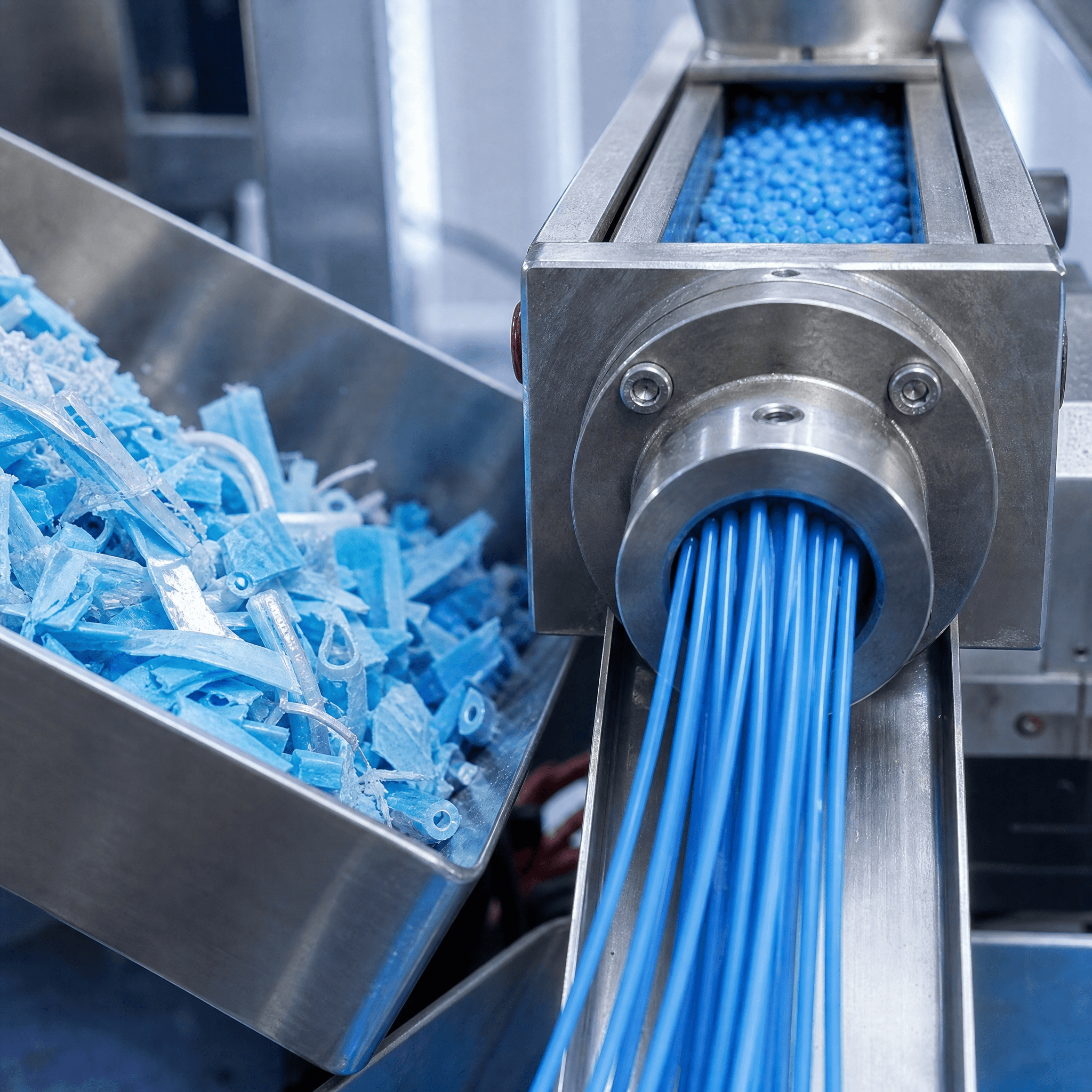
Creating value chains for previously discarded materials requires a holistic approach that encompasses design, technology, and market development. Disposable face masks offer a prime example of how to transform waste into valuable products. The polypropylene, which constitutes a significant portion of face masks, can be recycled and repurposed into a variety of applications. For instance, it can be used as a raw material for producing new plastic products, fibers for textiles, or even construction materials.
Furthermore, exploring opportunities for upcycling face masks can lead to the creation of unique and innovative products. By combining design research and application with accessible manufacturing techniques such as 3D printing, we can transform these seemingly disposable items into functional and aesthetically pleasing objects. Creating new value chains for waste materials is essential for building a more resilient and sustainable future. By reimagining waste as a resource, we can unlock new economic and circular opportunities for our urban communities.
WASTE-TO-VALUE
The escalating waste crisis demands a radical rethinking of our relationship with waste, materiality, and value. By examining the challenges posed by mixed-material waste, such as disposable face masks, we have illuminated the urgent need for a design shift in waste management practices. This research has demonstrated the limitations of traditional, centralized waste management systems and highlighted the potential of localized, community-driven approaches. By focusing on the creation of new value chains from waste, we can create more sustainable and resilient communities. Central to our approach is the concept of "waste-to-value." By reimagining waste as a resource rather than a problem, we can unlock new economic and circular opportunities for our urban communities.